

Period cramps can be painful, exhausting, and disruptive to daily life. For many women, menstrual pain starts a day before bleeding begins and can last for two to three days. The discomfort may feel like a dull ache, sharp cramps, lower back pain, bloating, or even nausea.
The good news is that many women can find relief using simple and natural remedies at home. These remedies are gentle, affordable, and easy to include in your monthly self-care routine.
In this guide, we’ll explore the best natural remedies for period cramps, lifestyle changes that can reduce pain over time, and when you should consult a doctor.
What Causes Period Cramps?
Period cramps, also known as dysmenorrhea, occur when the uterus contracts to shed its lining. These contractions are triggered by hormone-like substances called prostaglandins.
Higher levels of prostaglandins can lead to stronger contractions and more intense pain. Some women naturally produce more prostaglandins, making their cramps worse.
Common Symptoms of Menstrual Cramps
- Lower abdominal pain
- Back pain
- Thigh pain
- Bloating
- Nausea
- Headache
- Fatigue
- Loose stools
1. Heat Therapy
Applying heat to the lower abdomen is one of the most effective natural remedies for period cramps. Heat relaxes the uterine muscles and improves blood circulation, which can reduce pain significantly.
How to Use Heat Therapy
- Use a heating pad or hot water bottle.
- Apply it to your lower abdomen for 15–20 minutes.
- Repeat as needed throughout the day.
A warm bath can also provide excellent relief.
2. Ginger Tea
Ginger has strong anti-inflammatory properties and may help reduce menstrual pain and nausea.
How to Make Ginger Tea
- Boil 1 inch of fresh ginger in 2 cups of water for 10 minutes.
- Strain and add honey if desired.
- Drink 2–3 cups daily during your period.
3. Chamomile Tea
Chamomile is known for its calming and muscle-relaxing effects. It may help reduce uterine contractions and improve sleep during menstruation.
4. Gentle Exercise
Light exercise releases endorphins, which act as natural painkillers and mood boosters.
Best Exercises for Period Cramps
- Walking
- Stretching
- Yoga
- Pelvic tilts
5. Yoga Poses for Menstrual Relief
Certain yoga poses can relax the pelvic muscles and reduce tension.
- Child’s Pose
- Cat-Cow Stretch
- Supine Twist
- Happy Baby Pose
6. Magnesium-Rich Foods
Magnesium helps relax muscles and reduce cramps.
Foods High in Magnesium
- Bananas
- Almonds
- Spinach
- Pumpkin seeds
- Dark chocolate
7. Omega-3 Fatty Acids
Omega-3s reduce inflammation and may decrease the severity of menstrual pain.
Best Sources of Omega-3
- Salmon
- Walnuts
- Flaxseeds
- Chia seeds
8. Stay Hydrated
Drinking enough water can help reduce bloating and improve circulation.
Warm water may be especially soothing during menstruation.
9. Reduce Caffeine and Salt
Caffeine can increase tension and worsen cramps in some women. Too much salt can lead to water retention and bloating.
Try Limiting
- Coffee
- Energy drinks
- Salty snacks
- Processed foods
10. Cinnamon
Cinnamon has anti-inflammatory and antispasmodic properties and may help reduce pain and heavy bleeding.
Add cinnamon to tea, oatmeal, or smoothies during your period.
11. Fennel Seeds
Fennel may help relax uterine muscles and reduce cramping.
How to Use Fennel
- Boil 1 teaspoon of fennel seeds in water.
- Steep for 10 minutes.
- Drink twice daily.
12. Rest and Sleep
Your body needs extra energy during menstruation. Getting enough rest can help reduce inflammation and improve your pain tolerance.
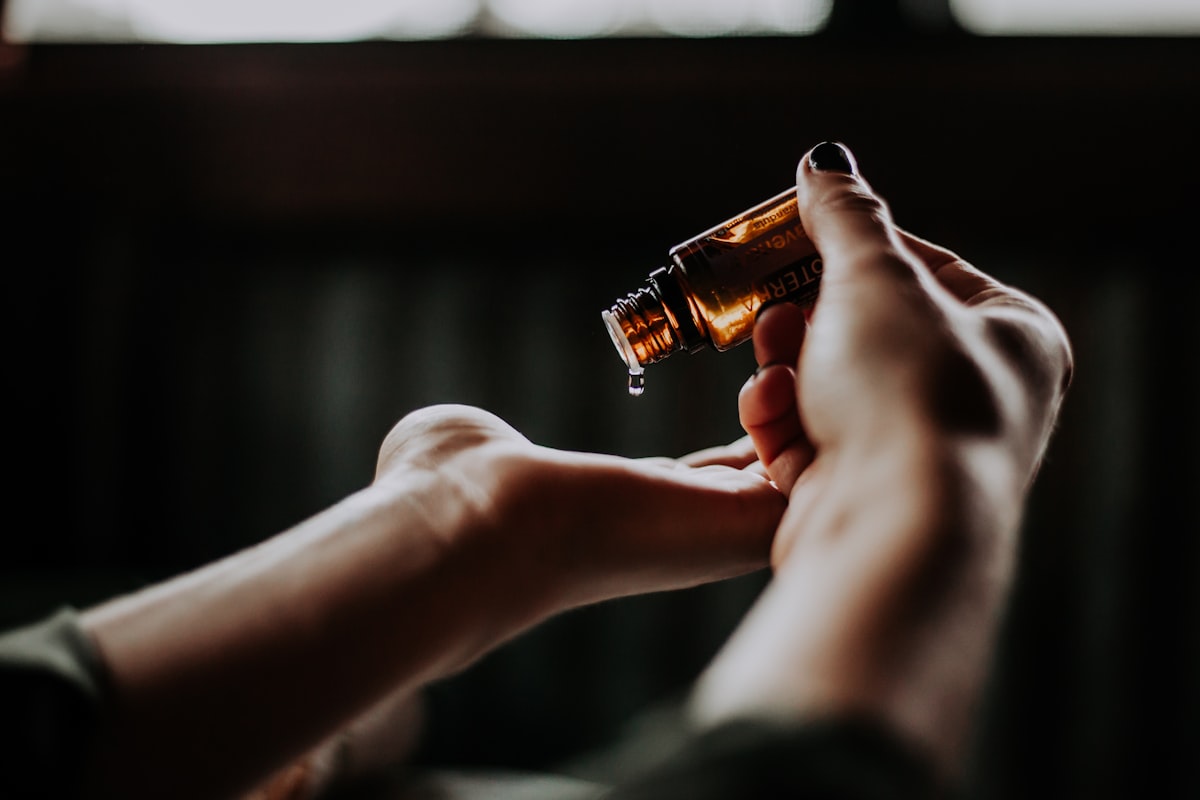
13. Massage with Essential Oils
Massaging the lower abdomen with diluted essential oils may reduce cramping.
Popular Oils
- Lavender oil
- Clary sage oil
- Peppermint oil
Always dilute essential oils with a carrier oil such as coconut or almond oil.
14. Acupressure
Applying pressure to specific points, such as the inner leg point known as SP6, may provide natural relief from menstrual pain.
15. Anti-Inflammatory Foods
A healthy diet can reduce inflammation and support hormone balance.
Best Foods to Eat During Your Period
- Leafy greens
- Berries
- Turmeric
- Whole grains
- Yogurt
Foods to Avoid During Painful Periods
- Processed foods
- Excess sugar
- Fried foods
- Alcohol
- Carbonated drinks
Natural Supplements That May Help
- Magnesium
- Vitamin B1
- Vitamin D
- Fish oil
Always consult a healthcare professional before starting supplements.
When to See a Doctor
While mild to moderate cramps are common, severe pain may indicate an underlying condition such as:
- Endometriosis
- Adenomyosis
- Uterine fibroids
- Pelvic inflammatory disease
See a doctor if:
- Your pain is severe and affects daily activities.
- Cramps suddenly become worse.
- You experience very heavy bleeding.
- Over-the-counter remedies do not help.
Monthly Self-Care Routine for Fewer Period Cramps
- Exercise regularly.
- Eat anti-inflammatory foods.
- Stay hydrated.
- Sleep 7–9 hours nightly.
- Manage stress with meditation or deep breathing.
Frequently Asked Questions
What is the fastest natural remedy for period cramps?
Applying a heating pad to the lower abdomen is often the quickest and most effective natural remedy.
Does drinking hot water help period cramps?
Yes. Warm water can relax muscles, improve circulation, and reduce bloating.
Which tea is best for menstrual pain?
Ginger tea and chamomile tea are two of the most popular and effective options.
Can exercise make cramps better?
Yes. Gentle exercise such as walking or yoga can release endorphins and reduce pain.
Are severe period cramps normal?
Severe cramps that interfere with daily life should be evaluated by a doctor.
Final Thoughts
Period cramps can be uncomfortable, but natural remedies can provide real relief. Heat therapy, herbal teas, gentle movement, proper hydration, and anti-inflammatory foods are simple strategies that can make your menstrual cycle more manageable.
Every body is different, so try a few of these remedies and find what works best for you. With consistent self-care, many women experience less pain and greater comfort each month.
Related Posts:


